
 Back
BackAotearoa Finally Has a National Festival of Design
Tyrone Ohia explores Aotearoa's inaugural Festival of Design, set to kick off in Whanganui and Te Papaioea Palmerston North this October.
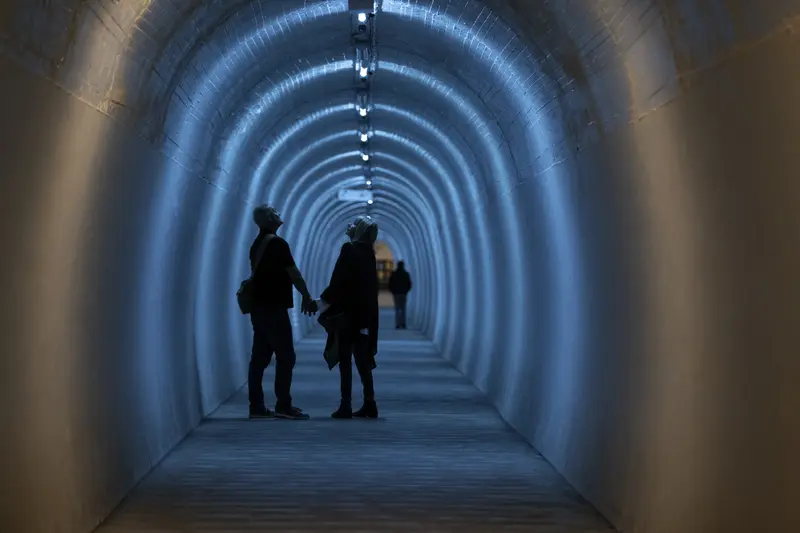
We celebrate our writers, filmmakers, musicians and artists. This October, design finally gets a festival of its own in Whanganui, our country’s designated UNESCO City of Design, and extending to Te Papaioea Palmerston North.
Design has always had a visibility problem. It is everywhere, but when it works well, we barely notice it. It is the street that makes us feel safe after dark. The chair that holds us comfortably. The typeface that gives a public message its voice. Whether it’s a marae, website, bus stop, book, garment or logo, design is everywhere and we’re interacting with it daily… whether we know it or not.
Aotearoa has long understood the value of gathering around literature, theatre, music, film and visual art. Yet somehow, in a country full of makers, problem-solvers and innovators, we have waited a while for a national festival of design.
Not a conference, a festival for everyone.
Festival of Design Aotearoa runs from 16 to 25 October across Whanganui and Te Papaioea Palmerston North. Its inaugural programme brings together more than 50 events: exhibitions, talks, performances, tours, demonstrations, public activations and a two-day summit. Some are ticketed, many are free, and the invitation extends well beyond design experts and industry.
This is a design festival for everyone. A chance for anyone slightly curious to come up close and personal with the many ins and outs of design. You can hear from international design leaders, watch glass being shaped by hand, get lost in the details with a font designer then encounter a performance or public artwork on the walk back to your hotel.
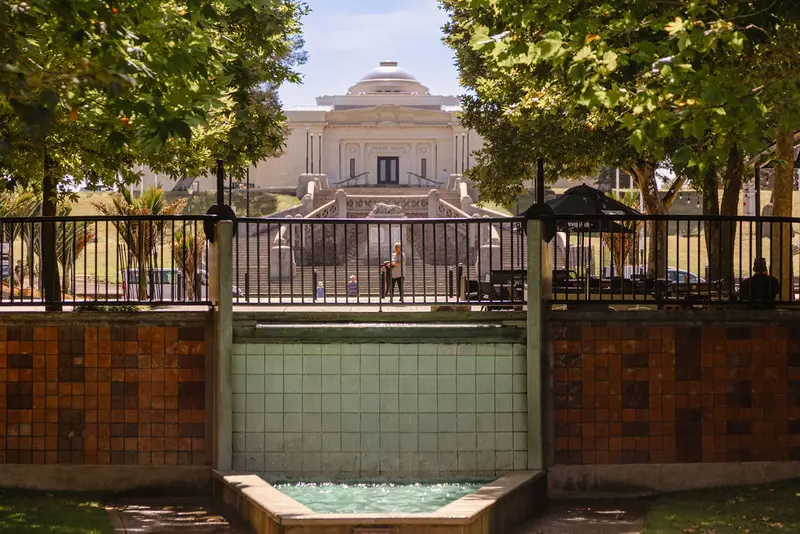
Whanganui. (Photo: Alanah Brown).
Whanganui is the place to be.
Whanganui isn’t just a picturesque place. It is Aotearoa’s only UNESCO City of Design, recognised in 2021 for a design whakapapa that stretches from more than 800 years of Māori artistry and innovation alongside the awa to its architecture, manufacturing, education and contemporary creative practice.
Emma Bugden, who was part of the city’s UNESCO application alongside many stakeholders, has described the designation as recognition of Whanganui’s heritage, living design culture and future ambitions. A UNESCO title should never sit on the shelf like a trophy. Design is an active part of life and business for many people in Whanganui, and this festival sees the designation step out into public life for everyone to enjoy and be inspired by.
I grew up in Whanganui and studied at the Whanganui School of Design. The city helped form my views on design as something far beyond surface decoration, but as a way to hold stories, express identity and connect people to place. To now see a national festival in a city whose design culture has been recognised internationally, is a personally meaningful moment in time.
Extending the programme to nearby Te Papaioea Palmerston North makes the festival even richer and more diverse. Rather than concentrating design culture in our biggest centres, two regional cities get to be a connected stage, each bringing its own institutions, buildings and stories to the mix.
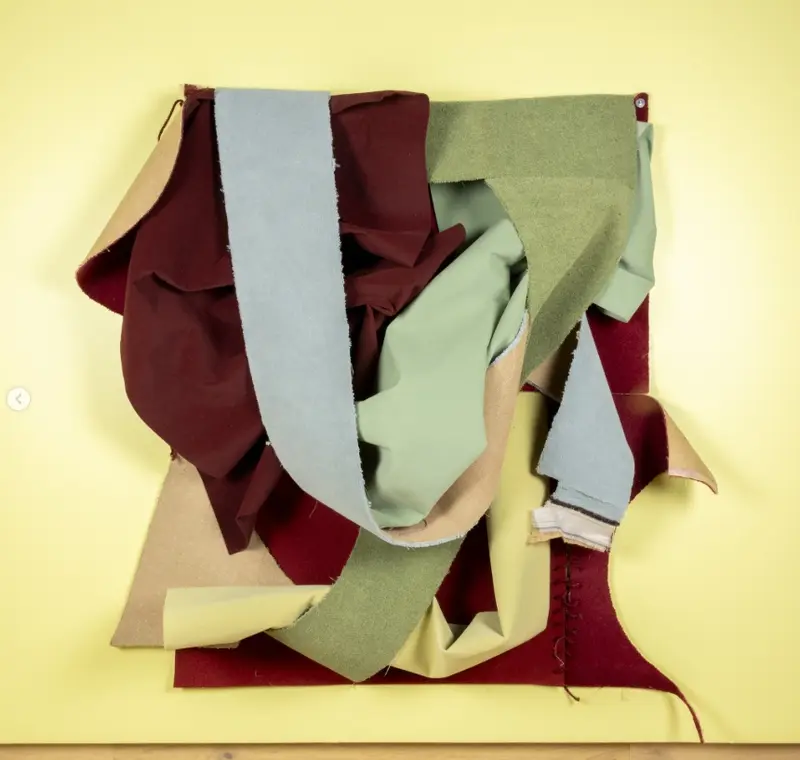
Kirsty Lillico: Butter my muffin. 2025. Maroon and green one carpet, synthetic felt, dyed rope - Heavy Falls exhibition at Te Whare o Rehua Sarjeant Gallery (Photo: Supplied).
A programme as broad as design itself.
The opening Designing Tomorrow Summit sets out the scale of the conversation. Across two days, designers, educators, artists, architects and innovators will explore Indigenous design, placemaking, typography, artificial intelligence and public leadership. Speakers include Johnson Witehira, Kris Sowersby, Bonnie Fahoome and former Whanganui School of Design educator Tom Eslinger. These practices rarely get enough time in the same room.
At Te Whare o Rehua Sarjeant Gallery, He Ao Āpōpō, He Ao Tea: Māori Futures offers another kind of future-facing proposition. Curated by Cecelia Kumeroa, the exhibition takes its name from words by Dr Rangitakuku Metekingi: a hopeful idea that tomorrow is a new day, and that the new day will bring clarity. Its gathering of Māori artists positions the future not as something arriving from elsewhere, but as something we have agency to imagine and make from here.
HERE’s Open Home takes the public through three architecturally designed sites: Hatrick House’s mid-century modernism; Te Ruamātatoru at Pūtiki, inspired by a pātaka kai at Rānana and connected to the restoration of whenua; and Spacecraft Architects’ colourful, mixed-use Strip Mall. Seeing architecture in photographs is one thing. Being guided through the actual spaces is something else entirely.
Then there is HotHaus at New Zealand Glassworks — Te Whare Tūhua o Te Ao — where Amanda Dziedzic and Laurel Kohut will demonstrate the making of contemporary objects from an ancient material. Glassblowing is a useful reminder that design is not only an idea or a digital file. It is heat, timing, muscle, judgement and years of knowledge held in the body.
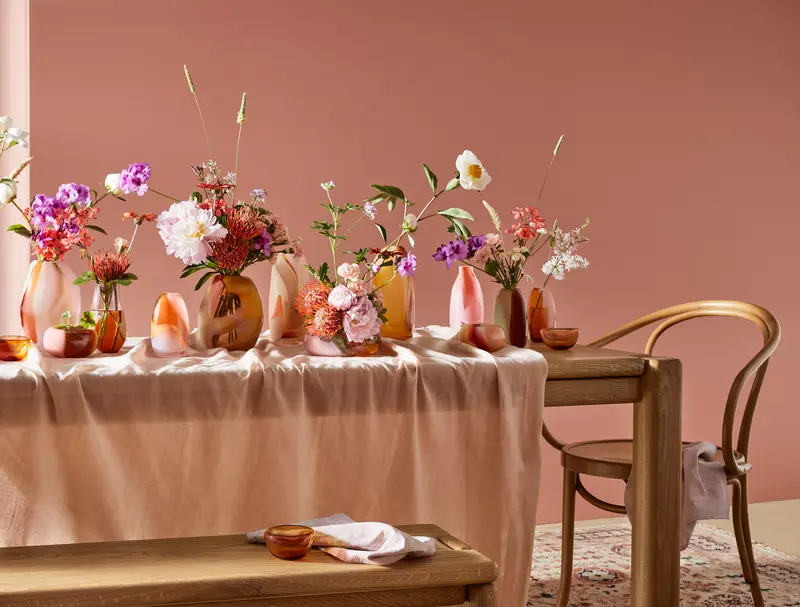
HAUSLFYE: How to Make a Haus a Home exhibition by Melbourne's HotHaus. (Photo: Supplied).
Come for the events. Stay for the connections.
Festival director Sam Ryan says the local, national and international programme has been deliberately woven together, with Whanganui and its people central to the festival’s identity. That feels like the right approach to me. The best design from Aotearoa does not need to imitate what is happening elsewhere. It can be grounded here in our cultures, landscapes, materials, and behaviours, while still speaking confidently to the world.
Design deserves a national celebration because it shapes far more than how things look. It shapes how we move, learn, communicate, belong and imagine what comes next. A festival gives us dedicated time to notice that influence, enjoy it and discuss where it should take us next.
Why should you come to Whanganui and Te Papaioea Palmerston North this October? Come if you make things for a living, and come if you simply wonder why the world around you is the way it is. Browse the full programme, choose a few things outside your usual lane and leave space for the unexpected. That is where festivals, and good design, do their best work.
Written in partnership with Whanganui District Council for Festival of Design Aotearoa.
Source: The Big Idea